


Early orthodontic intervention can improve your child’s dental and facial structures and reduce the need for more complex orthodontic treatment later on.

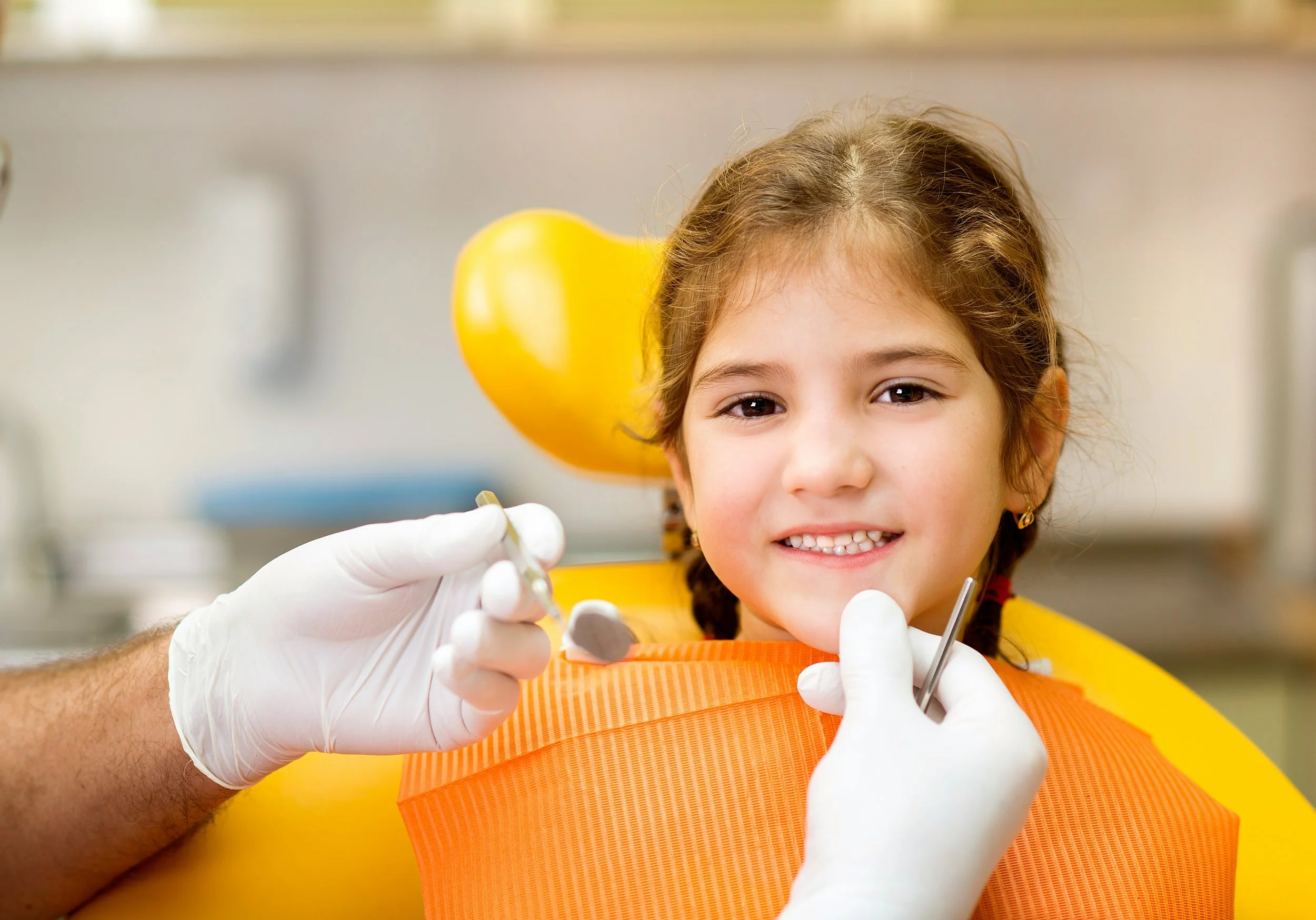
Examples of Early Intervention
-
Space maintainers help guide proper tooth eruption following the early loss of baby teeth. Our space maintainers are designed as a ‘custom fit’ appliance to ensure maximal comfort as we await the eruption of the adult tooth.
-
Expanders are used to widen a narrow upper jaw. In effect, they are used to correct posterior cross-bites and deviation of the lower jaw. They are also used in combination with other treatment methods in the management of obstructive sleep apnoea in children.
-
Functional appliances are used to redirect growth of the lower jaw. In effect, they assist in improving the profile, correcting protruded front teeth and reducing the risk of trauma.
-
Plates are used for a whole variety of reasons- some of them being to correct a deep bite, to correct a cross-bite, to move select teeth, and to hold space in the arch form. Plates at ACT Ortho are custom-made and our young patients enjoy choosing their plate in their favourite colour.
-
Thumb guards are very discreet appliances that are custom fit at our practice. They are very effective in cessation of thumb sucking when other behavioural methods have been unsuccessful.
-
Partial braces are used to achieve alignment of teeth, in particular the front teeth in young children. Most of our young patients like to decorate them with a whole range of different colours!

When should your child have an orthodontic assessment?
From as early as 7-8 years old, we recommend an orthodontic assessment of your child’s bite. Catching problems early can help simplify, and sometimes eliminate the need for treatment later on.

Free recall program
Although we like to treat orthodontic problems early, it is important to understand that certain conditions, even if detected at a young age, are still best left untreated until your child grows older. If this is the case, our Orthodontists will continue to monitor your child free of charge until they are at an appropriate age for orthodontic treatment.